

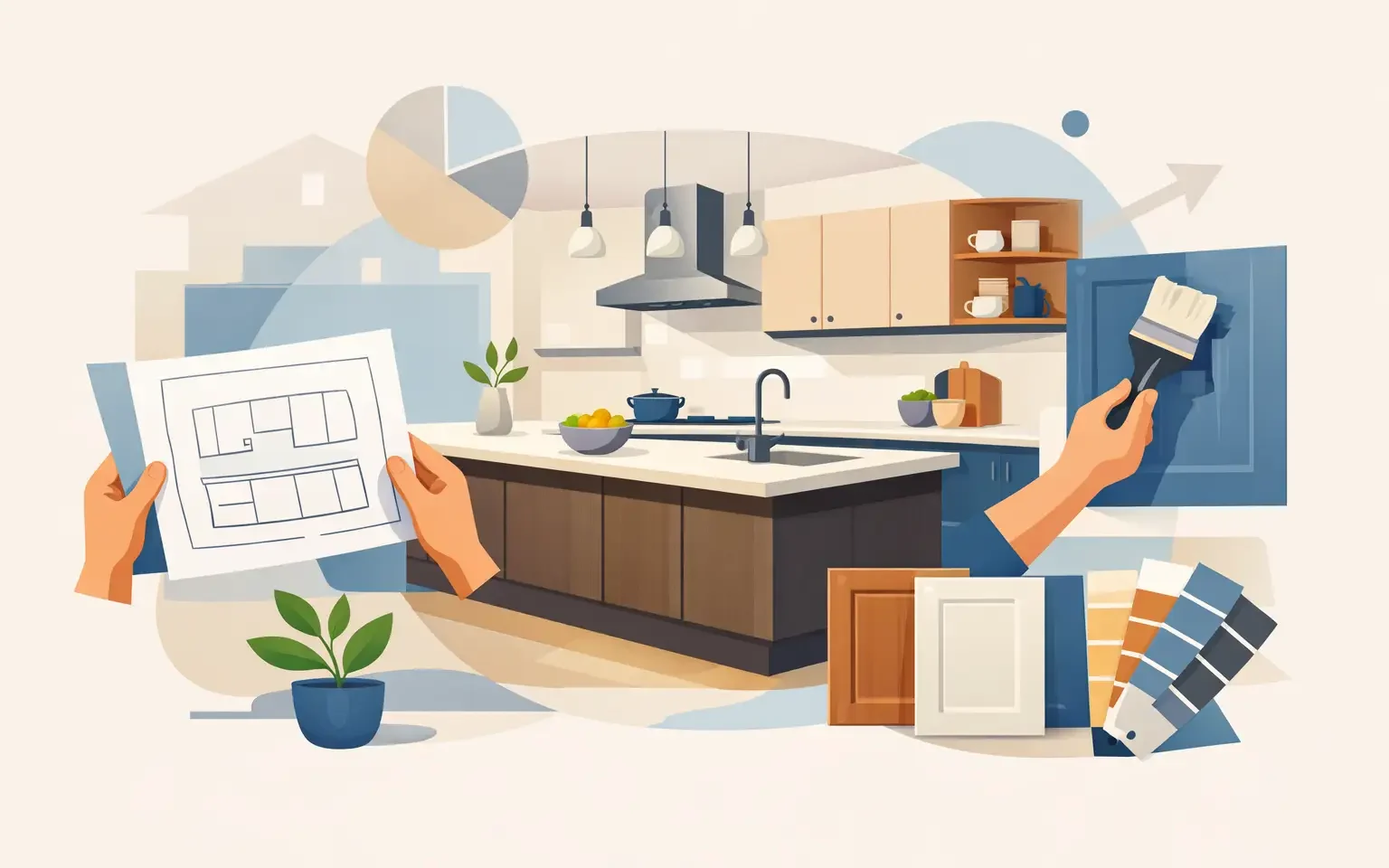
Kitchen Cabinets That Define a Better Remodel
A kitchen remodel is often judged by its countertops or appliances, but kitchen cabinets determine how the room feels, functions, and endures. They establish the visual architecture of the space while carrying the daily demands of cooking, entertaining, storing, and cleaning. For a home with a modern point of view, cabinetry deserves to be the first design decision, not the last.
Premium European cabinetry offers a different standard from the outset. Its appeal is not limited to clean lines and refined finishes. It is built around precise engineering, intelligent organization, durable materials, and a considered relationship between every cabinet, appliance, and architectural detail.
Why Kitchen Cabinets Set the Direction of a Remodel
Cabinetry occupies more visual space than almost any other finish in the kitchen. A painted wall can be changed. Hardware can be updated. Cabinets, however, shape the room’s proportions and determine whether the design reads as thoughtfully composed or pieced together.
The right cabinetry also resolves practical decisions early. Where will groceries live? How will cooking tools be organized? Can small appliances stay accessible without taking over the counter? Is the kitchen meant for a busy family, frequent entertaining, or a quieter, highly curated daily routine? These questions influence the cabinet layout, interior fittings, door style, and storage configuration.
For homeowners planning a major renovation or custom home, this is why a cabinet-first approach is so valuable. Once the cabinetry is designed, the appliances, lighting, countertops, flooring, and adjacent living spaces can be coordinated with greater clarity.
The European Difference: Precision Behind the Finish
Modern European kitchen design is recognized for its understated appearance, but the real distinction lies beneath the surface. German-made cabinetry is engineered with close attention to tolerances, hardware performance, and consistency across every component. Doors align cleanly. Drawers operate smoothly under weight. Interior systems are designed to make storage more usable rather than simply more abundant.
This construction philosophy supports a more architectural kitchen. Full-overlay doors create uninterrupted planes. Integrated handles, recessed grips, or slim metal profiles preserve a streamlined profile. Tall cabinets can frame appliances with a built-in appearance, while wall units and open elements can be arranged to create rhythm without visual clutter.
Durability is equally important. A premium kitchen should retain its alignment, finish quality, and everyday ease of use long after installation. That depends on the cabinet box, edge treatment, hinges, drawer runners, and manufacturing controls, not only on the door color selected in a showroom.
Modern design does not have to feel cold
A handleless kitchen in matte lacquer can feel distinctly contemporary, yet it can still be warm and inviting. Natural wood textures, soft neutral colors, bronze accents, fluted glass, and layered lighting bring dimension to a minimal layout. The goal is not to eliminate detail. It is to use detail with discipline.
A darker kitchen can create a dramatic, tailored atmosphere in a large open-plan home, especially when balanced with lighter stone or warm flooring. In a smaller space, pale matte finishes and wood accents may make better use of available light. There is no universally correct palette. The strongest choice depends on the architecture, daylight, surrounding rooms, and how the homeowners want to live in the space.
Choosing Kitchen Cabinets for How You Actually Live
A beautiful showroom composition is only the beginning. The best kitchen cabinets respond to everyday habits with a level of customization that standard cabinet programs rarely provide.
Consider the person who cooks several nights a week. Deep drawers near the cooktop can hold pots, pans, oils, and utensils within easy reach. A tall pull-out pantry may suit a household that buys in volume, while internal drawers behind a full-height door create a cleaner exterior without sacrificing access. A breakfast station or appliance garage can keep a coffee machine, toaster, and blender available while allowing the kitchen to return to a composed, uncluttered state.
For entertaining, the priorities may shift. A dedicated bar cabinet, wine storage, serving drawers, and a secondary prep zone can reduce congestion around the main cooking area. In an open kitchen, cabinetry can also create a refined transition into the living room through furniture-inspired finishes, display sections, and integrated storage that conceals the practical elements.
A designer should ask how the kitchen is used before recommending an aesthetic direction. That conversation often reveals needs that are easy to overlook, such as a landing zone for deliveries, storage for oversized cookware, accessible recycling, or cabinetry that accommodates a pet feeding area. These details are where a custom plan becomes genuinely personal.
Materials and Finishes Worth Considering
High-end cabinetry gives homeowners far more range than traditional painted doors. The choice should complement the home while supporting the desired level of maintenance and longevity.
Matte lacquer and super-matte surfaces offer a sophisticated, low-sheen appearance that works well in contemporary interiors. They can make strong colors feel composed rather than overwhelming. Textured wood reproductions and real wood veneers introduce warmth and tactile character, particularly when paired with stone, metal, or glass.
Glass-front units are useful when used selectively. They can lighten a run of tall cabinets or provide a place to display ceramics and glassware without turning the entire kitchen into open shelving. For homeowners who prefer a more timeless interpretation of European design, slim-frame doors, integrated lighting, and natural finishes offer depth without unnecessary ornament.
The most appropriate finish is not always the most dramatic sample. A color that appears striking on a small door may feel heavy across an entire wall of cabinetry. Viewing finishes alongside countertop samples, flooring, paint, and hardware is essential, preferably under lighting that resembles the home itself.
Plan Storage From the Inside Out
A cabinet plan should be evaluated with doors and drawers open, not only closed. Interior organization determines whether the kitchen remains orderly after the novelty of a remodel has passed.
Look for full-extension drawers with strong load capacity, adjustable dividers, integrated cutlery inserts, concealed waste systems, and well-planned pantry storage. Tall cabinets can be configured for groceries, brooms, trays, or built-in appliances. Corner solutions should be considered carefully, since not every corner requires an elaborate mechanism. In some layouts, a simple blind corner paired with more efficient drawers elsewhere provides better value and easier access.
This is also the stage to plan for the less visible essentials: charging drawers, spice storage, baking sheet dividers, utility cabinets, and dedicated spaces for water filtration or coffee equipment. Thoughtful interior fittings can reduce the need for countertop accessories and preserve the clean, modern character that drew many homeowners to European design in the first place.
Why Design and Installation Matter as Much as the Cabinet Brand
Even exceptional cabinetry can underperform when planning is rushed or installation is treated as an afterthought. A premium kitchen involves precise coordination of field measurements, appliance specifications, electrical locations, plumbing, ventilation, stone fabrication, and lighting.
Working with an experienced design team helps identify conflicts before construction begins. A refrigerator door needs adequate clearance. A dishwasher must sit correctly beside adjacent cabinetry. An island overhang affects seating dimensions and support requirements. Small issues on paper can become expensive compromises once walls are opened and materials are ordered.
At Häcker European Collection, the process is designed to connect design intent with technical execution, from early consultation through cabinetry selection, detailed planning, and installation coordination. This integrated approach gives homeowners a clearer path through a renovation that can otherwise involve many separate decisions and trades.
A Kitchen Designed to Last Beyond the Trend Cycle
Trends can be useful references, but they should not dictate a kitchen intended to serve a home for many years. The most enduring kitchens tend to be calm, well-proportioned, and specific to the people who use them. They may include a current finish or contemporary appliance technology, yet their foundation is practical: quality construction, useful storage, balanced materials, and a layout that works without explanation.
When selecting kitchen cabinets, prioritize the details you will touch every day. Open the drawers. Compare the interior organization. Consider how the finish will look in morning light and at the end of a long evening. A well-designed kitchen does more than photograph beautifully. It makes daily life feel more considered, capable, and at ease.

