

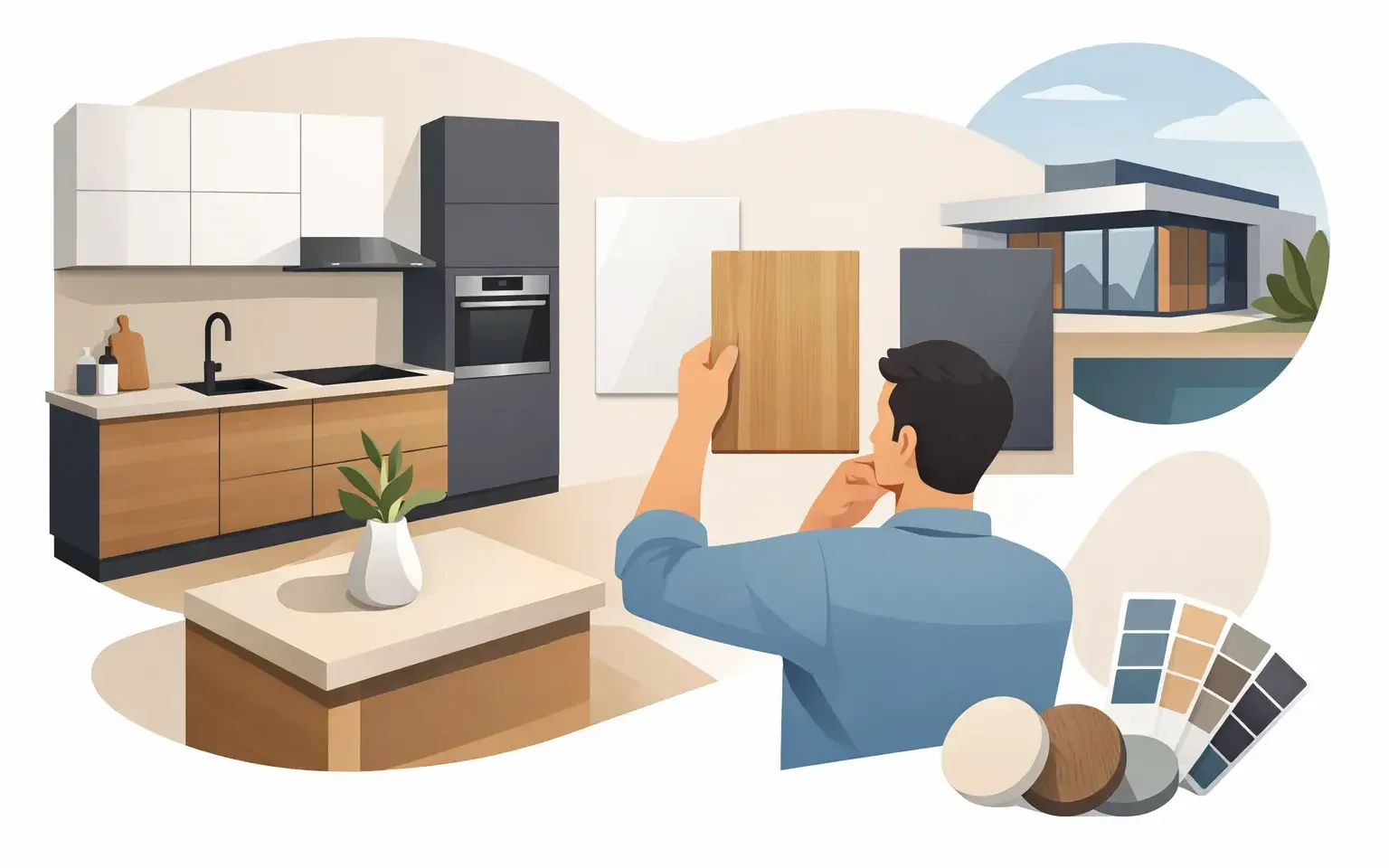
How to Choose European Cabinetry for Your Home
A premium kitchen can look modern on a showroom floor and still disappoint in daily use if its cabinetry was selected only for appearance. Learning how to choose European cabinetry means looking beyond a clean door profile or a striking matte finish. The right system should bring together precise engineering, thoughtful storage, durable materials, and a design that fits the architecture of your home.
For homeowners planning a major renovation or custom build, European cabinetry offers a compelling alternative to conventional framed cabinets. It is known for refined proportions, efficient interiors, and a more integrated visual language. However, not every cabinet marketed as European delivers the same level of manufacturing quality, customization, or installation support.
Start With Authentic Construction, Not Just a European Look
European cabinetry is often associated with slab doors, handleless openings, and minimalist styling. Those details matter, but they are not the complete story. True European-style cabinetry is typically built on a frameless construction system, where the cabinet box provides the structure and doors mount directly to it. This allows for wider drawers, more usable interior space, and consistently narrow reveals between doors and panels.
Construction quality is where premium German-made cabinetry begins to separate itself from lower-priced imports and domestic lookalikes. Ask about the cabinet carcass material, edge treatment, back panel construction, and the hardware used in every moving part. A well-engineered cabinet box should feel solid, remain stable over time, and resist the wear associated with a busy family kitchen.
Pay close attention to edges. High-quality edge banding protects the core material from moisture and impact, particularly near sinks, dishwashers, and frequently used drawers. It should be cleanly applied, tightly bonded, and visually consistent with the door finish. Small construction details often determine whether cabinetry still looks composed years after installation.
Choose a Layout Before Choosing Door Colors
A finish sample can be persuasive, but it cannot solve an inefficient floor plan. Before narrowing down colors and materials, work through how your household uses the kitchen. Consider where groceries enter the home, where coffee is prepared, how often people cook together, and whether the kitchen is also a gathering space.
European cabinetry is especially effective when the plan uses its storage flexibility well. Tall pantry units can consolidate dry goods and small appliances. Deep drawers can replace lower cabinet shelves for easier access. Internal organizers can create a purposeful place for cutlery, spices, recycling, charging stations, and cookware. These features are most successful when they are designed around your routines rather than added late in the process.
The best layout also accounts for sightlines. In an open-concept Houston home, cabinetry may be visible from the living room, dining area, or entry. This is where integrated appliances, full-height panels, and carefully planned storage create a calmer, more architectural result. The kitchen should feel like part of the home, not a collection of appliances and cabinets placed along a wall.
How to Choose European Cabinetry That Fits Your Style
European design is not limited to one aesthetic. A warm oak veneer kitchen with bronze accents has a very different character from a crisp white lacquer composition or a deeply textured dark matte finish. The common thread is restraint: clean lines, balanced proportions, and materials selected with intention.
Start by identifying the visual direction of the entire home. For a contemporary property, a handleless or integrated-pull design can create a tailored, uninterrupted surface. For transitional interiors, a slim-profile door, soft neutral tones, and natural wood elements can bridge modern cabinetry with more traditional architecture. If the home has strong stone, flooring, or lighting selections already in place, cabinetry should support those materials rather than compete with them.
Finish selection should also be practical. Super-matte surfaces offer a sophisticated, low-sheen appearance, while high-gloss doors reflect light and can make a compact kitchen feel more expansive. Wood veneers provide warmth and variation, though they require thoughtful coordination because each panel has a distinct grain pattern. Textured melamine and engineered surfaces can offer exceptional durability and a convincing contemporary appearance at a different price point.
It depends on the room and the household. A pale matte finish may be ideal for a bright, low-maintenance family kitchen, while a dramatic veneer may be better suited to a statement island or a more formal entertaining space. Request full-size samples whenever possible, then view them in the actual lighting conditions of your home.
Evaluate Hardware, Storage, and Everyday Function
Cabinetry is used through touch. Doors are opened dozens of times each day. Drawers carry heavy cookware. Lift systems support upper cabinets, and pull-outs need to glide without hesitation. Premium hardware is not an upgrade to treat as an afterthought. It is central to the experience and longevity of the kitchen.
Look for smooth, quiet drawer systems with full extension and substantial load capacity. Soft-close hinges should operate consistently, and interior fittings should be designed for adjustment and long-term use. The hardware should complement the design without calling attention to itself.
Storage deserves the same scrutiny. A large kitchen without organized storage can be less functional than a smaller one designed intelligently. Consider whether you need a dedicated appliance garage, a concealed breakfast station, pantry pull-outs, vertical tray storage, or drawer dividers sized for the way you cook. In a luxury kitchen, convenience is not an accessory. It is part of the design brief.
Also consider accessibility over time. Deep drawers are easier to use than low shelves, and well-placed pantry storage can reduce bending and reaching. These decisions are especially valuable in a primary residence where homeowners expect to enjoy the kitchen for many years.
Understand Customization and Lead Times
European cabinetry is often highly customizable, but customization has levels. Some collections offer a broad range of standard widths, heights, finishes, and interior accessories. Others provide more specialized sizing and made-to-order solutions. Both can produce an exceptional result, provided the system is planned accurately.
Ask your designer which elements are standard, which are custom, and how those choices affect cost and timing. Tall cabinets may be designed to align precisely with ceilings, but existing ceilings are rarely perfectly level. Filler panels, scribing, and installation expertise are what make the final composition look intentional.
Lead time is another practical consideration. German-made cabinetry is generally manufactured to order, then shipped and coordinated with the project schedule. This requires early decisions, especially when appliances, countertops, flooring, and lighting must align with cabinet dimensions. A careful design process reduces change orders and protects the overall renovation timeline.
Compare Value Over the Life of the Kitchen
The lowest initial cabinet quote rarely represents the best value. Compare proposals based on what is actually included: cabinet construction, finishes, hardware, interior accessories, delivery, design coordination, installation, and post-installation service. A lower number can exclude elements that are necessary for a finished, high-performing kitchen.
Premium European cabinetry should be viewed as a long-term interior investment. Its value comes from durable materials, manufacturing precision, efficient use of space, and an enduring design that will not feel dated after a few years. That does not mean the most expensive option is automatically right. It means the selection should reflect how long you plan to live in the home, how intensively the kitchen will be used, and the standard of finish you expect throughout the property.
A trusted showroom partner can make this comparison more transparent. At Häcker European Collection, the design conversation begins with the home, the homeowner’s priorities, and the level of service required to carry the project from concept through installation.
Select a Partner Who Can Execute the Design
Even exceptional cabinetry can fall short if it is measured incorrectly or installed without the necessary precision. The final reveal lines, panel alignment, appliance integration, and countertop coordination all depend on experienced project management.
Choose a provider that can explain the process clearly, from initial consultation and space planning to field measurement, ordering, delivery, and installation. Review how they coordinate with contractors, appliance suppliers, and countertop fabricators. For a remodel, this level of oversight can prevent costly surprises once walls are opened and materials begin arriving.
A well-designed European kitchen should feel effortless after the installers leave. Doors align, drawers operate quietly, appliances sit flush, and every cabinet has a purpose. Begin with a detailed design consultation, bring your plans and inspiration, and give the cabinetry the same careful consideration you would give the architecture of the home.

