

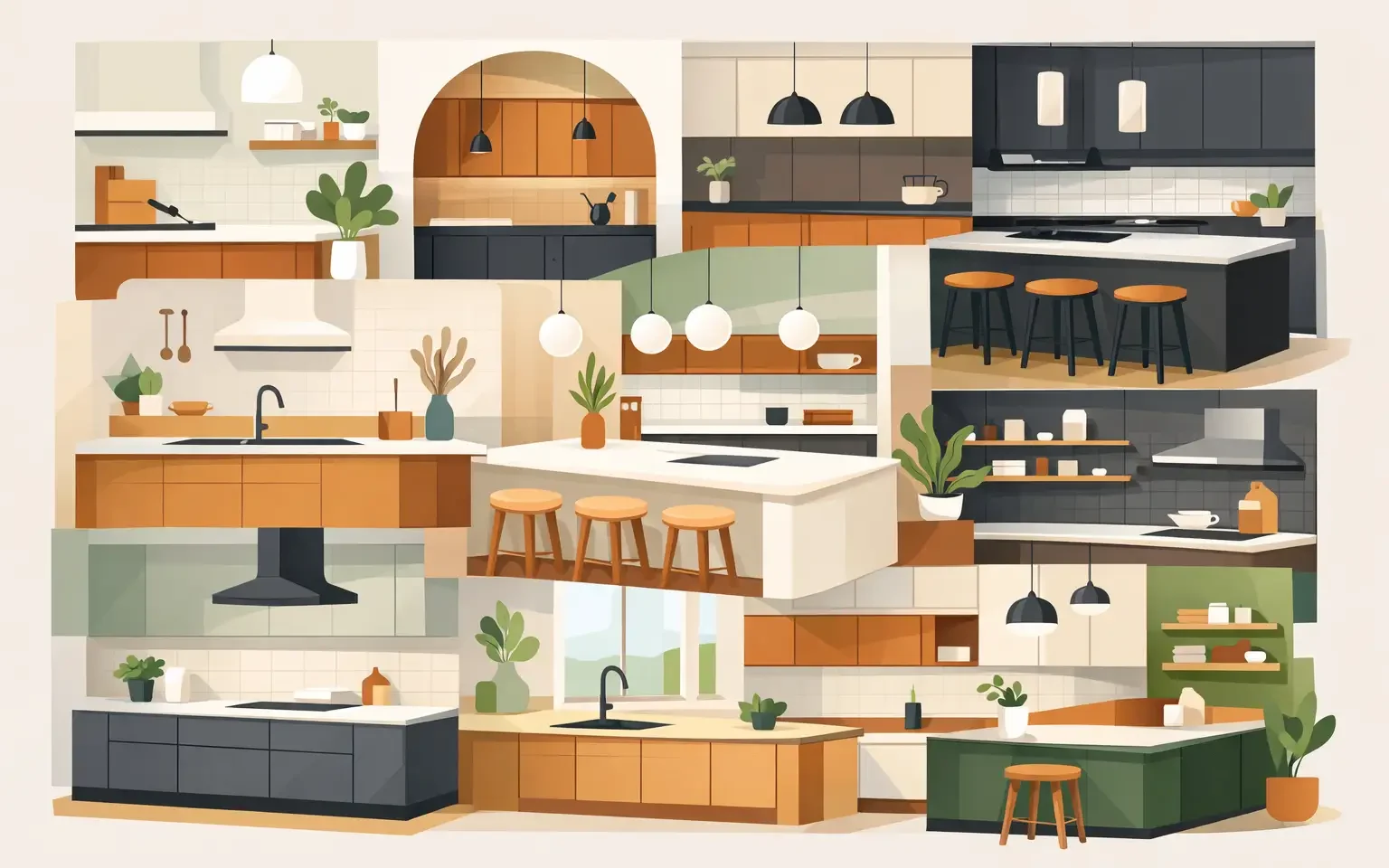
10 Examples of Modern Kitchen Designs That Endure
A modern kitchen should not feel like a showroom trend that will date before the renovation is paid for. The most successful examples of modern kitchen design combine disciplined proportions, refined materials, and purposeful storage, creating a room that works beautifully for daily life while supporting the architectural character of the home.
For homeowners planning a premium remodel or custom build, modern does not have to mean cold, stark, or identical to every other kitchen. It can be warm, richly textured, highly tailored, and exceptionally practical. The difference lies in the quality of the cabinetry, the precision of the layout, and the restraint used in every visible detail.
What Defines a Modern Kitchen?
Modern kitchen design favors clean lines, integrated function, and a limited, intentional material palette. Cabinet fronts tend to be flat or lightly detailed rather than heavily ornamented. Appliances are often integrated, storage is concealed, and the visual weight of the room is carefully balanced.
That does not mean every modern kitchen needs white lacquer cabinets and a waterfall island. A dark oak finish, a veined natural stone, or a softly textured matte surface can all feel distinctly modern when used with clarity. German-made cabinetry is particularly well suited to this approach because its engineering supports the fine reveals, consistent alignment, and customized organization that modern rooms demand.
10 Examples of Modern Kitchen Design
1. The Warm Minimalist Kitchen
This kitchen pairs matte, handleless cabinetry with warm wood accents, usually oak or walnut. A pale stone countertop and integrated appliances keep the composition quiet, while the wood prevents the space from feeling clinical.
It is an excellent choice for open-concept homes where the kitchen must relate gracefully to living and dining areas. The trade-off is that minimalism requires discipline: countertop appliances, paper clutter, and mismatched accessories can quickly interrupt the intended calm.
2. The Dark Wood Architectural Kitchen
Deep wood-grain cabinetry gives a modern kitchen presence without relying on high-gloss finishes. Think smoked oak, dark walnut, or a sophisticated brown-black veneer paired with honed stone and understated metal details.
This approach works especially well in homes with generous natural light, tall ceilings, or substantial windows. In a smaller or dimly lit room, use darker cabinetry selectively, perhaps on a tall storage wall or island, and balance it with lighter perimeter finishes.
3. The Soft Neutral European Kitchen
Warm gray, mushroom, taupe, and sand-colored cabinets offer a more nuanced alternative to bright white. These colors create an elevated backdrop for natural stone, brushed nickel, bronze, or black fixtures.
Soft neutrals are among the most versatile examples of modern kitchen palettes because they accommodate changing furnishings and artwork over time. The key is undertone. A gray that reads too blue against warm flooring, for example, can make an otherwise expensive renovation feel disconnected. Viewing cabinetry, flooring, stone, and paint samples together is essential.
4. The Sculptural Stone Island Kitchen
In this design, the island is the focal point. A substantial stone top with a waterfall edge or a carefully mitered profile gives the room a sculptural quality, while the surrounding cabinetry remains restrained.
This is a strong option for homeowners who entertain often and want the kitchen to feel composed from every angle. Natural stone requires realistic expectations, however. Many marbles and quartzites can etch, patina, or show variation. Those characteristics can be desirable, but they should be selected as part of the design rather than treated as defects.
5. The Integrated Appliance Kitchen
Panel-ready refrigeration, dishwashers, and concealed ventilation allow the cabinetry to read as a continuous architectural surface. Rather than seeing a collection of appliances, the eye sees a tailored composition with functional zones hidden within it.
Integrated appliances are ideal in open-plan homes and luxury residences where visual continuity matters. They also require early coordination. Appliance specifications, ventilation requirements, electrical locations, and cabinetry dimensions must be resolved before installation, not adjusted after the design is finalized.
6. The Modern Kitchen With a Functional Back Kitchen
A back kitchen or concealed prep area extends the primary kitchen without adding visual clutter. It may include a second sink, additional refrigeration, pantry storage, a coffee station, or space for small appliances.
For households that cook frequently, host large gatherings, or prefer an immaculate main kitchen, this is one of the most practical modern layouts. It depends on available square footage and plumbing access, but even a compact walk-in pantry can provide meaningful relief to the primary space.
7. The Linear Kitchen With a Statement Wall
A single wall of tall cabinetry can anchor a modern kitchen with ovens, refrigeration, pantry units, and concealed storage. The adjacent cooking and cleanup zones then remain lower and more open, often centered around an island.
This composition is effective because it separates visual mass from active work surfaces. It also creates a natural place to incorporate a contrasting finish, such as dark lacquer against light oak or textured veneer beside smooth matte cabinets. Precision matters here: inconsistent gaps or misaligned panels are immediately visible on a large cabinet wall.
8. The Modern Kitchen With Open Display Niches
Open shelving has a place in modern design when used sparingly and intentionally. A recessed niche in wood veneer, a lit glass cabinet, or a single shelf near the coffee area can soften a run of closed cabinets and offer a place for ceramics or glassware.
The best displays are edited. Open storage should frame a small collection of attractive, useful objects rather than becoming an overflow zone. For many homeowners, glass-front cabinetry provides a more protected and polished alternative to fully open shelves.
9. The High-Performance Family Kitchen
A modern family kitchen can remain elegant while accommodating real routines. Consider deep drawers for dishes and cookware, interior organizers for utensils, pullout pantry systems, dedicated recycling, and a landing zone near the refrigerator.
The success of this kitchen is less about one signature finish and more about the design process. Storage should be planned around how the household actually cooks, shops, packs lunches, and entertains. Premium cabinetry earns its value when every drawer, cabinet, and interior accessory serves a clear purpose.
10. The Monochromatic Kitchen With Layered Texture
A monochromatic scheme uses related tones across cabinetry, stone, backsplash, and walls, but avoids flatness through texture. Matte lacquer, lightly grained wood, fluted glass, brushed metal, and honed stone can all sit within the same color family.
This is one of the most refined examples of modern kitchen design because it feels composed rather than decorative. The risk is that too many competing textures can make the room feel busy. Select one dominant surface, one secondary material, and a limited number of accents for the most convincing result.
How to Choose the Right Direction for Your Home
The right modern kitchen is not simply the one that photographs well. It should reflect the home’s architecture, the available light, and the way you intend to use the space. A sleek, integrated appliance kitchen may be ideal for a contemporary townhome, while a warm wood composition may better suit a new-build residence with natural materials and expansive gathering areas.
Begin with the layout before focusing on finishes. Confirm where preparation, cooking, cleanup, refrigeration, and pantry storage will occur. Then consider sightlines from adjoining rooms, appliance needs, and the level of concealment you prefer. Once those decisions are established, cabinetry finishes and countertop materials can support the plan rather than compensate for it.
A showroom consultation is also valuable when comparing door materials, edge details, interior systems, and finish samples under realistic lighting. Häcker European Collection helps homeowners translate visual inspiration into a customized, German-made kitchen that accounts for both design intent and installation realities.
The most enduring modern kitchen is rarely the loudest one. Choose cabinetry that is beautifully engineered, materials that suit your tolerance for maintenance, and a layout that makes everyday life easier. When those decisions align, the result feels personal long after the renovation is complete.

