

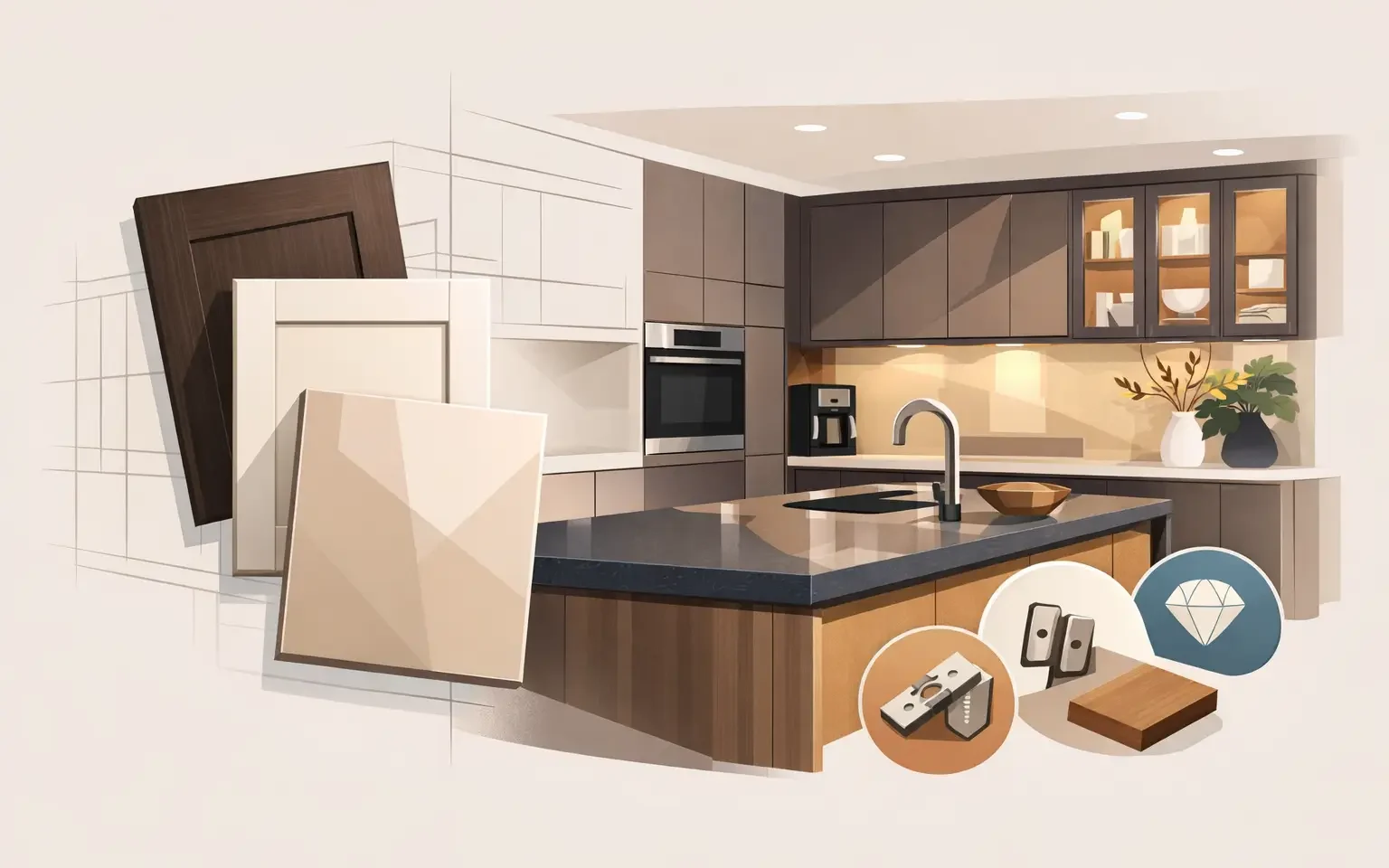
Best High End Kitchen Cabinets Explained
A luxury kitchen rarely feels expensive because of one dramatic feature. More often, it feels refined because the cabinetry is precise, quiet, well-proportioned, and built to perform every day. If you are searching for the best high end kitchen cabinets, the real question is not which door style looks impressive in a showroom. It is which cabinet system will still look and function beautifully years after installation.
In the premium market, cabinetry sets the standard for everything else. It determines how the kitchen stores, how it moves, how integrated the appliances feel, and whether the room reads as custom or merely upgraded. For homeowners investing in a serious remodel or a custom home, that difference matters.
What defines the best high end kitchen cabinets
The best high end kitchen cabinets are not just expensive cabinets. Price alone does not create quality. True premium cabinetry combines design discipline, engineering, durable materials, and a manufacturing process that delivers consistency from one cabinet to the next.
At a high level, superior cabinets tend to share a few traits. They offer exacting construction tolerances, dependable hardware, advanced finish technology, and thoughtful interior organization. They also provide enough flexibility to accommodate the architecture of the home rather than forcing the homeowner to work around a limited catalog.
This is one reason European cabinetry continues to stand apart. In leading German-made systems, precision is built into the production model. Doors align cleanly, reveals stay intentional, drawer action feels controlled, and storage solutions are designed around real use instead of afterthought accessories. The result is a kitchen that appears calm and minimal but performs at a very high level.
Why construction quality matters more than showroom appeal
Many cabinets look good under showroom lighting. Fewer hold up to heat, moisture, heavy cookware, frequent cleaning, and daily opening and closing over time. Construction quality is where premium value becomes visible.
Look first at the cabinet box. High-end cabinetry should feel substantial and stable, with materials chosen for strength and longevity rather than cost cutting. Back panels, joinery, and load-bearing elements all affect how the kitchen performs once counters, appliances, and storage are in place. A well-built cabinet does not just support beautiful design. It protects the investment in the entire renovation.
Hardware matters just as much. Premium drawer systems and hinges should close smoothly, open reliably, and maintain alignment with regular use. This may sound like a small detail, but it changes the everyday experience of the kitchen. Soft-close movement, full-extension access, and precise adjustability are not luxury extras at this level. They are baseline expectations.
Finishes deserve close attention as well. Painted surfaces, laminates, veneers, lacquered fronts, and anti-fingerprint materials can all be excellent, but only when the manufacturing standard is high. The best finish for one household may not be the best for another. A family kitchen with constant traffic may benefit from a more forgiving matte surface, while a formal entertaining space may prioritize a cleaner architectural look.
Best high end kitchen cabinets by style and lifestyle
There is no single cabinet line that suits every home. The best high end kitchen cabinets depend on how you live, how your home is designed, and how much customization you want.
For homeowners drawn to a modern, architectural kitchen, European slab cabinetry is often the strongest fit. It offers clean lines, integrated functionality, and a tailored appearance that works especially well in open-concept homes. This style also makes material quality more visible. When ornament is reduced, proportion, finish, and alignment have to be excellent.
For clients who want warmth within a contemporary space, wood veneers and textured finishes can soften the kitchen without losing sophistication. These options bring character and depth while still supporting a modern layout. They are particularly effective when paired with concealed storage, integrated appliances, and understated hardware.
Some homeowners still prefer a more transitional expression. In that case, premium cabinetry should deliver the same performance standards even if the visual language is less minimal. The key is to avoid mistaking decorative detail for quality. A highly ornamented cabinet can still fall short if the box construction, finish system, or hardware package is mediocre.
Lifestyle should guide the specification. A serious home cook may need deeper drawer storage, specialized pantry systems, and planning around workflow. A frequent host may care more about visual continuity, entertaining zones, and hidden storage for small appliances. A second-home owner may prioritize easy maintenance and durability over ultra-delicate finishes. Premium cabinetry should respond to those differences.
Materials, finishes, and interior systems to evaluate
When comparing options, materials should be discussed in practical terms, not just luxury terms. Veneer, lacquer, laminate, glass, and engineered surfaces all have a place in high-end cabinetry. What matters is how each material is made, finished, and applied.
Wood veneer can be exceptional when sourced and finished properly. It offers a natural look with consistency that is difficult to achieve in some solid wood applications. Lacquer can create a very refined appearance, especially in matte or satin finishes, but quality varies depending on the production process. Laminates have also evolved dramatically and can be an excellent choice for homeowners who want durability, color stability, and a contemporary look.
Interior systems are another separating factor. The best cabinetry is not only beautiful from the outside. It should improve how the kitchen works. Deep drawers for cookware, divided cutlery storage, pull-out pantry units, corner solutions, recycling systems, and appliance garages all contribute to a more intelligent kitchen. These elements should be designed into the plan from the start rather than added later as generic accessories.
Lighting integration, hidden charging, and coordinated storage inserts can also elevate usability. Still, there is a balance to strike. Too many specialty features can increase cost without improving daily life. The right approach is selective customization based on actual habits.
Why European cabinetry often leads the premium market
For homeowners comparing domestic custom cabinetry with imported European systems, the decision often comes down to priorities. If the goal is traditional detailing or highly ornate woodworking, one route may make more sense. If the goal is modern design, advanced engineering, and manufacturing consistency, European cabinetry often has the advantage.
German-made kitchen cabinets, in particular, are widely respected for precision, quality control, and functional innovation. That reputation was not built on marketing language. It comes from decades of manufacturing standards, technical development, and disciplined production. In the right project, this translates into cabinetry that feels exceptionally composed and durable.
This is where brands such as Häcker have earned attention among discerning homeowners and design professionals. The value is not simply that the cabinets are European. It is that they combine premium aesthetics with reliable construction, thoughtful customization, and a level of finish that supports long-term satisfaction.
There are trade-offs, of course. Lead times, design planning, and installation quality all matter. High-end imported cabinetry is not an impulse purchase, and it should not be treated like one. The process works best when guided by experienced designers and installers who understand the system, the architecture, and the expectations of a luxury renovation.
How to choose the right cabinet partner
Even the best product can be diminished by poor planning or weak execution. That is why choosing the right design and installation partner matters almost as much as choosing the cabinetry itself.
Look for a company that can guide the full process, from layout development and finish selection to quoting, coordination, and installation. A premium kitchen is a layered project with many decisions that affect one another. Appliance specifications, ceiling heights, storage needs, countertop selections, and lighting plans all influence cabinet design. A consultation-driven approach reduces mistakes and creates a more coherent final result.
Showroom experience matters too. High-end cabinetry is tactile and visual. Homeowners should be able to compare materials, understand finish differences, and see how interior systems work in person. This is especially valuable when investing in a modern European kitchen, where subtle details often distinguish a good choice from an exceptional one.
If you are evaluating options in the US market, ask practical questions. What is the cabinet construction standard? How flexible is the sizing? Which finishes are most durable for your household? Who manages installation? How are adjustments and service handled after completion? Premium providers should answer these clearly and confidently.
The right cabinetry should feel like a long-term decision, not a decorative purchase. When quality, design, and service align, the kitchen becomes easier to use, more visually disciplined, and more valuable to the home overall. If you are investing at the premium level, it is worth slowing down, comparing systems carefully, and speaking with a designer who can translate your priorities into a cabinet plan that truly fits the way you live.

