
Best Finishes for Custom Cabinetry Explained
A cabinet door can look flawless under showroom lighting and feel completely wrong once it meets a busy Houston kitchen, direct afternoon sun, and daily family life. The best finishes for custom cabinetry are not chosen by color alone. They determine how cabinetry reflects light, withstands handling, complements appliances, and continues to look considered years after installation.
For a high-end kitchen or custom closet, the right finish should support the architecture of the home as much as the homeowner’s routine. A sleek matte surface may suit a contemporary space beautifully, while natural veneer can bring warmth and dimension to an open-plan home. The strongest choice is rarely universal. It is the finish that balances visual character, durability, maintenance expectations, and the precision of the cabinetry beneath it.
Best Finishes for Custom Cabinetry: What Matters Most
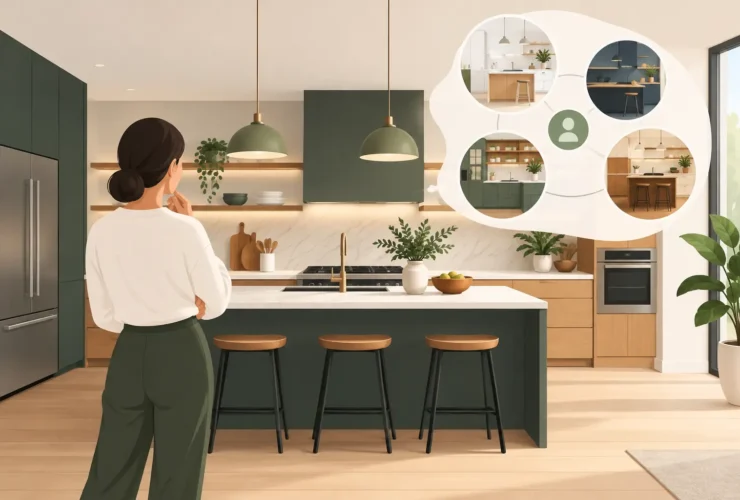
Before comparing materials, consider where the cabinetry will live and how it will be used. Kitchen base cabinets near the range, an island used for entertaining, tall pantry doors, and a primary closet each face different demands. Heat, humidity, fingerprints, sunlight, and cleaning habits should all inform the specification.
Light is equally influential. Gloss surfaces amplify natural and artificial light, which can make a compact kitchen feel more expansive. Matte finishes absorb light for a quieter, more architectural effect. Wood grain introduces movement and depth that cannot be replicated by a flat solid color. Viewing physical samples in the intended room is essential, particularly when the design includes large runs of cabinetry.
For premium European cabinetry, the quality of the finish system and the engineering behind the panel matter together. A refined finish performs best when it is applied to a stable, precisely manufactured substrate with cleanly finished edges. This is one reason German-made cabinetry is valued in high-end projects: the surface is part of a complete manufacturing standard, not an afterthought applied to a generic box.
Matte Lacquer: Modern, Understated, and Versatile
Matte lacquer is among the most compelling choices for contemporary custom kitchens. It creates a smooth, elegant surface with very little reflection, allowing the proportions of the cabinetry, countertop, and hardware to take visual priority. Soft whites, warm grays, taupes, charcoal, and deep earthy colors all feel especially sophisticated in a matte finish.
Its greatest strength is restraint. Matte lacquer works well in minimalist kitchens, but it is not limited to stark interiors. Paired with natural stone, oak accents, or brushed metal details, it gives a room a tailored, residential warmth.
The trade-off is maintenance awareness. Dark matte surfaces can reveal oils or fingerprints depending on the specific finish technology and lighting conditions. Quality anti-fingerprint lacquers improve everyday performance significantly, but no finish is entirely immune to touch marks in a heavily used household. Use a soft cloth and manufacturer-approved cleaner, rather than abrasive products, to preserve the surface.
High-Gloss Lacquer: Light-Reflecting and Dramatic
High-gloss lacquer has a polished, contemporary presence that suits homes with a clean, architectural aesthetic. Its reflective quality helps distribute light through a room and can make a smaller kitchen feel brighter and more open. White, pale gray, and lighter neutral gloss finishes are often more forgiving visually than very dark gloss cabinetry, which can show dust, fingerprints, and fine surface marks more readily.
A gloss finish is most successful when it is intentional. It pairs naturally with handleless cabinetry, integrated appliances, and streamlined layouts where visual continuity matters. In a larger kitchen, gloss can be balanced with matte cabinetry, wood veneer, or a richly textured stone to prevent the space from feeling overly reflective.
For homeowners who prefer a highly polished look but want practical longevity, finish quality is crucial. A premium lacquer system has a depth and consistency that lower-grade glossy films often lack. In a showroom consultation, inspect the finish from several angles and ask how the surface performs in high-touch areas such as refrigerator surrounds and island drawers.
Wood Veneer: Natural Warmth with European Precision
Wood veneer offers a richness that solid-color cabinetry cannot duplicate. Because it uses real wood, each panel carries natural variation in grain, tone, and figuring. This makes veneer particularly effective in homes where the kitchen needs to connect visually with living areas, wood flooring, architectural millwork, or organic materials.
European veneer cabinetry is often carefully sequenced so grain flows across adjacent doors and drawer fronts. That attention creates a calm, continuous visual rhythm, especially on wide pantry walls or tall cabinet elevations. Oak remains a leading choice for its versatility, while walnut brings a deeper, more formal character. Lighter woods can support a Scandinavian-influenced interior without sacrificing luxury.
Veneer is durable, but it deserves thoughtful care. Prolonged moisture, harsh chemicals, and direct sun exposure can affect natural wood over time. It is an excellent choice for kitchens and closets when specified with a high-quality protective finish and maintained appropriately. For clients who appreciate authentic materials, this patina is often part of the appeal rather than a drawback.
Textured and Super-Matte Surfaces: Practical Luxury
Textured laminates and super-matte engineered surfaces have become increasingly refined. The best versions offer a tactile quality that can resemble wood, stone, textile, or soft-touch lacquer while providing strong resistance to daily wear. They are a highly practical choice for active kitchens, family homes, utility areas, and closets where easy care is a priority.
These finishes should not be confused with basic mass-market laminate. Premium European surface materials are designed with precise edge treatments, consistent color matching, and convincing texture. They can deliver the calm, low-sheen look many homeowners want while offering impressive scratch and fingerprint resistance.
A textured finish can also be an intelligent design tool. It adds dimension to a wall of cabinetry without introducing a busier color palette. Consider a warm wood-look texture for tall storage, then pair it with matte lacquer base cabinets for contrast. The combination feels layered, modern, and highly functional.
Glass and Metal Accents: Best Used with Restraint
Glass-front cabinetry, metallic finishes, and aluminum-framed doors can elevate a kitchen or custom wardrobe when used selectively. Smoked glass, bronze-tinted glass, or ribbed glass creates depth while allowing curated objects to remain partially visible. These finishes are particularly effective for bar cabinets, display storage, upper units, and closet accessories.
Metallic details bring a sharper, more tailored edge. They work well with dark lacquer, walnut veneer, and natural stone, especially in homes with contemporary lighting and architectural hardware. However, too much glass or metal can make a kitchen feel commercial rather than residential. A restrained application usually has greater longevity.
Choosing a Finish by Room and Lifestyle
For a high-use family kitchen, matte lacquer with anti-fingerprint technology or a premium textured surface often offers the right balance of beauty and easy maintenance. A kitchen designed primarily for entertaining may support more reflective gloss, expressive veneer, or glass display elements. In a primary closet, tactile matte finishes, warm woods, and refined glass can create a calmer and more personal atmosphere.
Color also changes the equation. A deep navy, black, or charcoal finish can look exceptional in a low-sheen material, but it should be assessed under the room’s actual lighting. Bright white gloss can feel crisp and expansive, while a warm white matte may better complement natural oak floors and creamy stone. The surrounding palette matters as much as the cabinet sample itself.
It is also wise to consider longevity beyond durability. A finish should still feel appropriate if the countertop, lighting, or wall color changes in five or ten years. Neutral matte lacquers, natural wood veneers, and well-designed textured surfaces tend to offer the greatest flexibility because they provide character without relying on a short-lived trend.
See Finish Samples in a Designed Setting
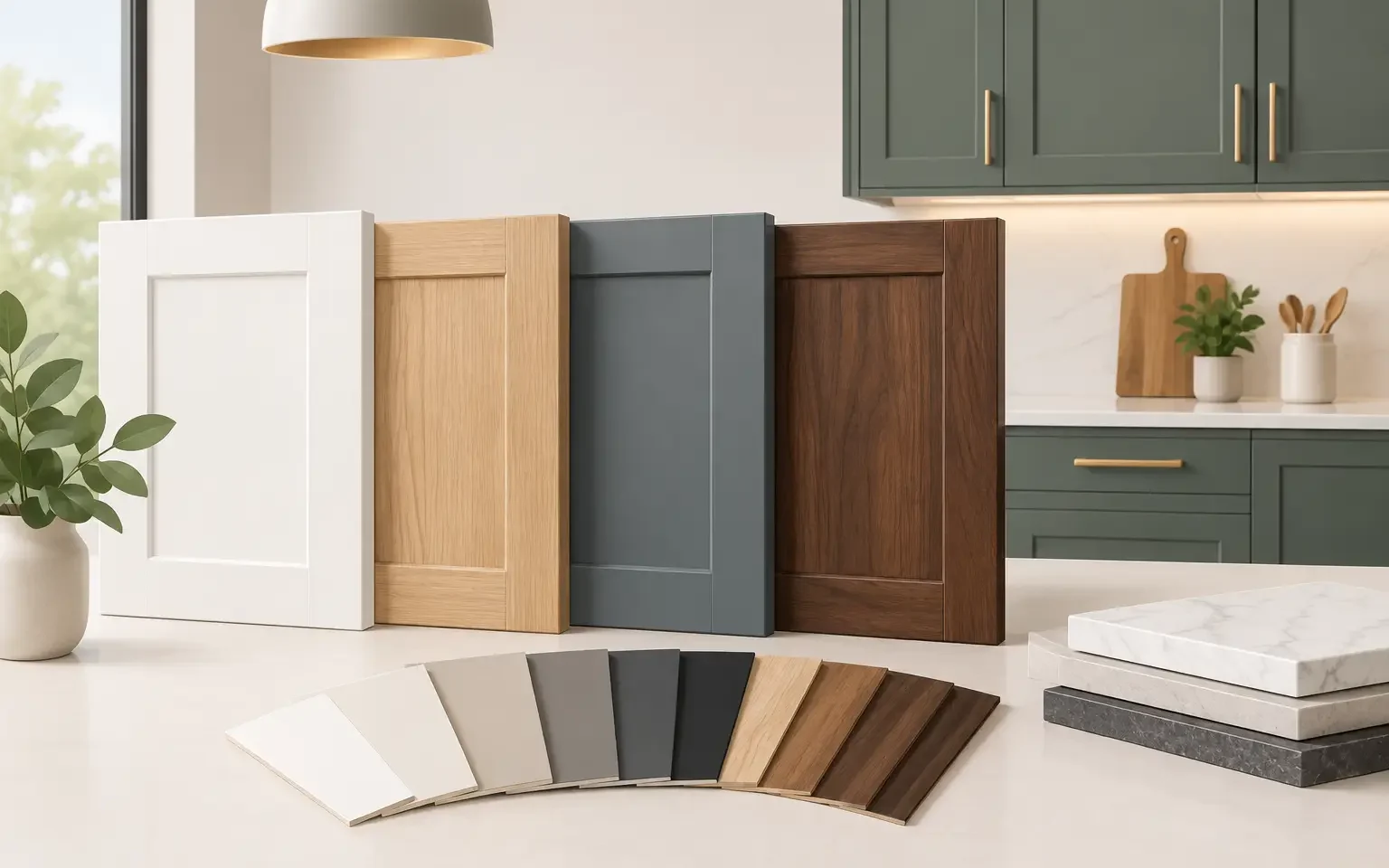
A finish decision becomes easier when samples are viewed alongside countertop materials, flooring, hardware, and appliance finishes. Rather than selecting from a small color chip, homeowners should compare full-scale door samples under realistic light and discuss how each surface will perform in their particular layout.
At Häcker European Collection, the design process is built around those details: how cabinetry will be used, how materials will meet, and how the finished room should feel. A thoughtful finish selection gives custom cabinetry more than a beautiful surface. It gives the entire space a lasting sense of intention.