
Are German Cabinets Worth It for Your Home?
A premium kitchen is judged long after the reveal. Doors should align precisely after years of daily use, drawers should feel controlled under a full load, and storage should make the room easier to live in. So, are German cabinets worth it? For homeowners investing in a primary residence or a significant renovation, they often are – provided the cabinetry is specified well and installed by an experienced team.
The value is not simply in a European look. German-made cabinetry is built around disciplined manufacturing, refined hardware, thoughtful interior organization, and a system-based approach to customization. It can deliver a distinctly modern kitchen that performs as beautifully as it looks.
Are German Cabinets Worth It? What You Are Paying For
German cabinetry sits in the premium segment because its cost reflects more than exterior finishes. The cabinet box, door construction, edge treatment, hardware, production tolerances, and design process all contribute to the finished result.
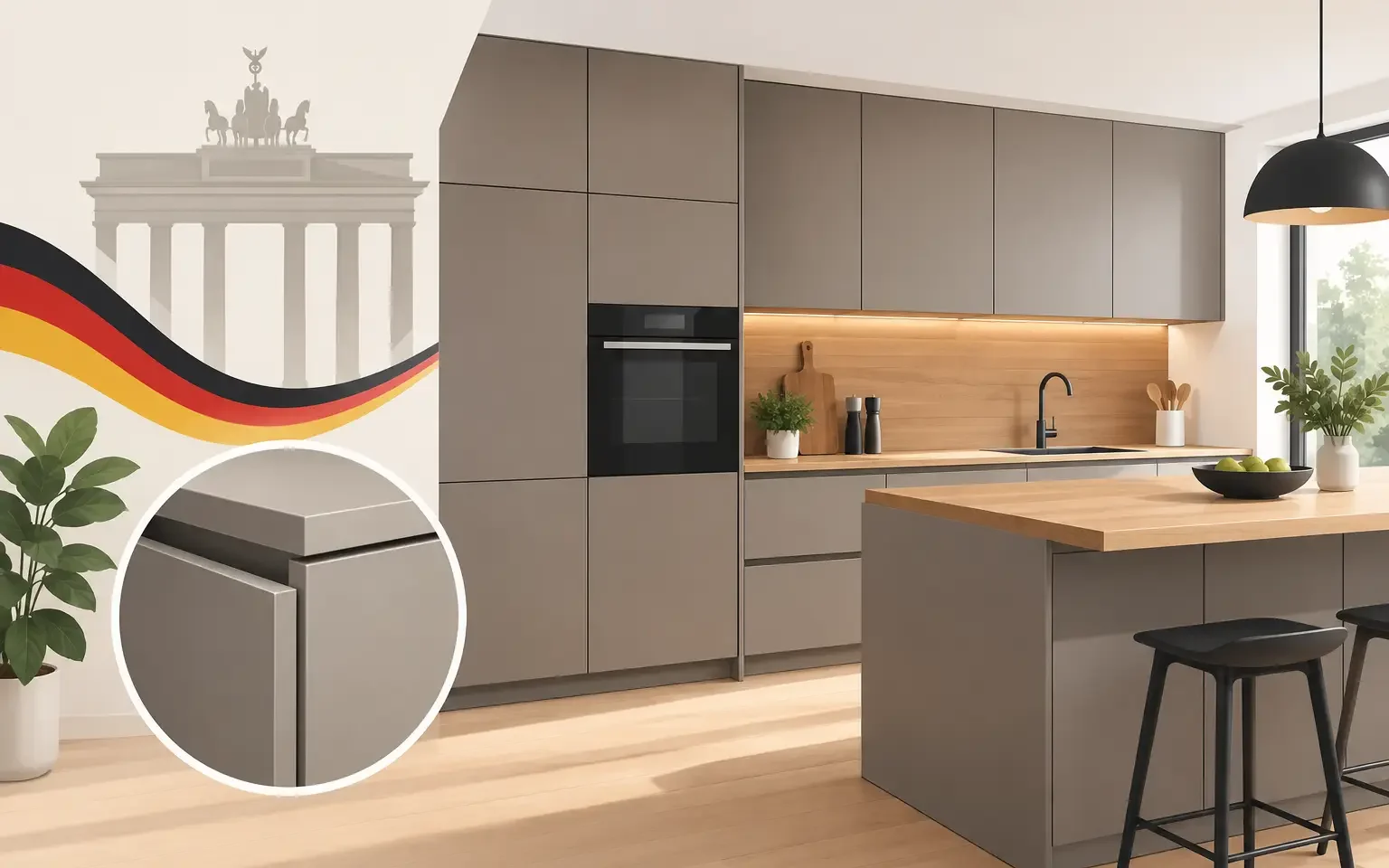
Many American homeowners first notice the clean-lined aesthetic: integrated handles, expansive matte surfaces, slim reveals, and a composed, architectural appearance. The deeper distinction is how those elements are engineered to work together. Rather than treating cabinets as individual pieces assembled around a room, German manufacturers typically develop coordinated systems of cabinets, panels, interiors, and fittings.
That approach matters in a kitchen where every fraction of an inch affects appliance clearances, walkway space, drawer function, and visual alignment. It is especially valuable in open-concept homes, where the kitchen must perform as both a work area and a central design feature.
Precision Manufacturing Makes a Daily Difference
High-end cabinetry should not feel precious. It should feel dependable.
German cabinet manufacturing is known for controlled production processes and close attention to consistency. Components are manufactured to exact specifications, allowing doors, drawers, and panels to align with a level of precision that is difficult to achieve with less standardized construction. The result is a kitchen with crisp lines, balanced spacing, and a more tailored appearance.
This precision also supports long-term performance. Quality drawer runners and hinges are designed for repeated use, while carefully finished edges help protect cabinet components from the moisture, heat, and routine cleaning common in a busy kitchen. A well-built cabinet is not immune to abuse or water damage, but it is better prepared for ordinary household demands.
For homeowners who cook frequently, entertain often, or have an active family home, this is where the investment becomes tangible. You interact with cabinet hardware dozens of times a day. Smooth, stable drawers and doors are not a decorative detail. They shape how the kitchen feels to use.
Materials and finishes should earn their place
A premium cabinet finish should be selected for both appearance and lifestyle. High-gloss lacquer may create a striking contemporary statement, but it can show fingerprints more readily than textured or super-matte alternatives. Natural wood finishes bring warmth and depth, while also requiring an understanding of grain variation and light exposure.
German cabinetry offers a broad range of finish options, from refined wood reproductions and matte laminates to lacquered fronts, glass, metal accents, and veneer selections. The advantage is not just choice. It is the ability to create a cohesive composition across cabinetry, islands, appliance panels, and adjacent living areas.
The best selection is rarely the most expensive finish in the showroom. It is the one that suits the architecture of the home, the amount of natural light, the desired maintenance level, and the way the household actually lives.
Customization Is About Planning, Not Just Size
Homeowners often use the word “custom” to mean cabinets made in any dimension. That can be valuable, but it is only one part of a well-planned kitchen.
European cabinet systems are highly customizable within a disciplined manufacturing framework. This provides meaningful flexibility without relying on a fully site-built process. Cabinet widths, heights, depths, interior fittings, door styles, and finish combinations can be configured to create a tailored result. Specialized units for tall pantries, corner storage, integrated appliances, recycling, spices, and internal drawers help use space intelligently.
That is particularly useful in Houston homes undergoing major renovations, where the kitchen may need to work around structural conditions while meeting a high standard of design. A skilled designer can use cabinetry dimensions to improve circulation, conceal appliances, establish a strong focal point, or turn an awkward wall into purposeful storage.
A German kitchen also allows for continuity beyond the main cooking zone. A coordinated approach can carry through to a bar, pantry, utility room, home office, or adjacent media wall. This is often what makes a renovation feel intentional rather than assembled from separate decisions.
The Trade-Offs to Consider Before You Buy
German cabinets are not automatically the right choice for every project. They are a considered investment, and the trade-offs deserve a clear conversation.
First, premium European cabinetry generally costs more than entry-level and many mid-market cabinet lines. The initial price reflects higher-grade components, advanced hardware, finish quality, engineering, and the design coordination required to specify the system correctly. If the project budget is tightly constrained, it may be wiser to prioritize a more modest cabinet line and reserve funds for necessary construction work, appliances, or countertops.
Second, lead times can require more planning than locally stocked cabinetry. Imported product, project-specific finishes, and detailed design approvals should be coordinated early in the renovation schedule. This is not a drawback when the project is managed well, but it does reward homeowners who begin their cabinetry decisions before demolition.
Finally, installation quality is essential. Even exceptional cabinetry can look disappointing if walls are not properly prepared, appliances are not accurately specified, or the installer lacks experience with European systems. The cabinet purchase and installation should be treated as one connected process, not separate transactions.
Why Full-Service Design Changes the Value Equation
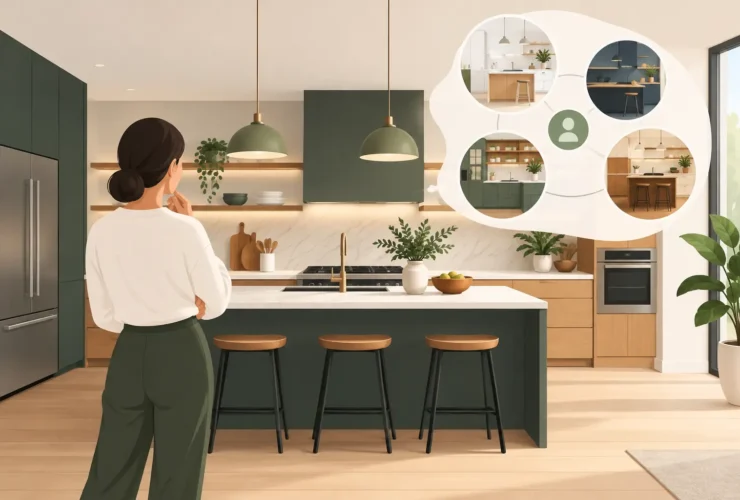
The strongest German cabinetry projects begin with detailed discovery. A designer should ask how you cook, what you store, who uses the kitchen, which appliances you prefer, and how the room relates to the rest of the home. Those answers guide the layout before finishes are discussed.
This process helps prevent expensive compromises later. A refrigerator panel, for example, affects surrounding cabinet depths and clearances. A flush-mounted cooktop may influence drawer configuration below. Ceiling height, flooring transitions, window placement, and lighting all affect the cabinet plan. Addressing these relationships early creates a cleaner result and a more predictable installation.
At Häcker European Collection, German-made kitchen cabinetry is approached as part of a complete interior solution, from design and product selection through delivery and installation. That level of coordination is particularly valuable for homeowners who want a refined result without managing multiple disconnected vendors.
Who Benefits Most From German Cabinetry?
German cabinetry is especially compelling for homeowners who value modern design, organized storage, and long-term performance. It is well suited to a custom home, a primary-residence renovation, or an upscale kitchen remodel where cabinetry is expected to carry much of the room’s visual impact.
It also makes sense for clients who prefer clean geometry over decorative excess. Flat-panel fronts, integrated pulls, handleless options, and carefully matched finishes can create an elegant kitchen that feels current without becoming trend-driven. With the right material palette, this design language can be warm and inviting, not cold or minimal for its own sake.
For a short-term renovation intended solely to minimize upfront cost, the value proposition may be different. But for a home you plan to enjoy for years, cabinetry that holds its alignment, organizes daily life, and supports the architecture can justify a higher initial investment.
A Better Question to Ask Before You Decide
Rather than asking only whether German cabinets cost more, ask what you want your kitchen to deliver over the next decade. If the answer includes exceptional fit and finish, thoughtful function, modern European design, and a coordinated professional process, German-made cabinetry deserves serious consideration.
Bring your plans, inspiration images, appliance preferences, and practical concerns to a design consultation. The right cabinet system should not merely fill the room. It should make the room feel considered, capable, and distinctly yours.